Watercolor Botanical Flower: Perfect Illustrations
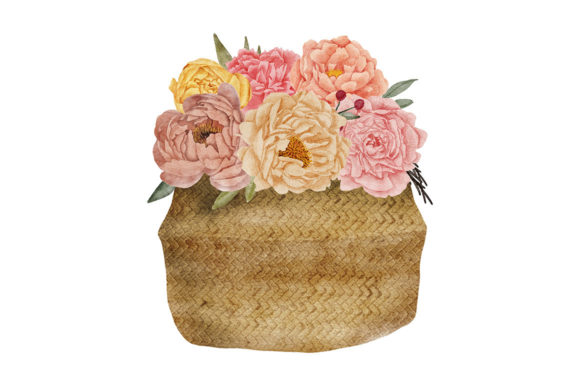
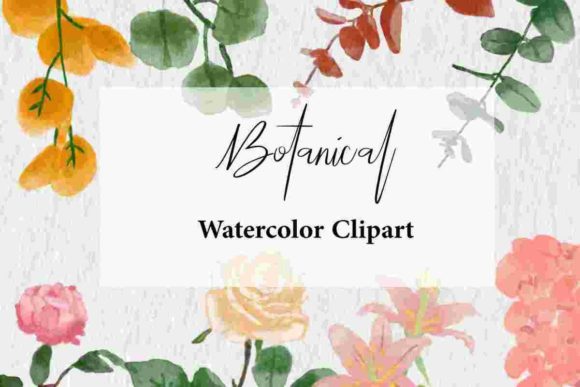
As someone who has spent the last decade running a handmade business, I know that the difference between a product that sells and one that sits on the shelf often comes down to the quality of the graphic design asset you choose. When I first opened the files for the Watercolor Botanical Flower collection, my immediate thought was not just about how pretty they looked on my screen, but how they would translate to physical goods. The mood here is undeniably elegant yet approachable. These aren't stiff, vector-perfect shapes; they have the soft, bleeding edges and organic texture that suggest a rustic, feminine, and premium aesthetic. If your target customer loves farmhouse decor, boho weddings, or cozy home accents, this style speaks directly to them.
From Screen to Sublimation: Real World Applications
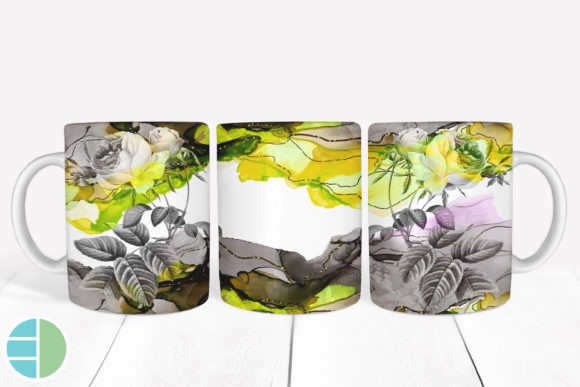
In my shop, I am constantly juggling seasonal collections and custom orders. The versatility of these Illustrations is what makes them a powerhouse for a small business owner. I immediately envisioned using the larger floral arrangements for sublimation design projects. Because watercolor relies on gradients and soft transitions, it performs exceptionally well on polyester-coated tumblers and mugs. I tested a tumbler wrap design, and the way the colors blended without banding was impressive. This is crucial for anyone selling print-on-demand items or doing their own heat pressing.
Beyond sublimation, these files are fantastic for paper crafts. I can see these being cut into intricate sticker design sheets for planners or used as focal points on handmade greeting cards. For those running an Etsy product line focused on wedding invitations or baby shower decorations, the soft palette offers a ready-made theme. You could easily build a entire design bundle around these assets, creating matching gift tags, thank-you cards, and packaging inserts that give your brand a cohesive, high-end look.
Ideal Use Cases for Maximum Impact
To get the most out of the Watercolor Botanical Flower set, you need to match the asset to the right medium. Based on my workflow, here is where these designs shine brightest:
- Large Cut Files: The details are rich enough to hold up when cut from cardstock for layered paper flowers or scrapbooking layouts.
- Clean Printable Layouts: They work beautifully as standalone art for printable wall art or as headers for digital planner pages.
- Seasonal Craft Bundles: Perfect for spring and summer collections, bridal showers, and Mother's Day promotions.
- Product Mockups: Use these to create stunning lifestyle images for your social media before you even press print.
- Small Business Branding: Incorporate a single bloom into your logo or watermark for a touch of sophistication.
Technical Considerations for Crafters
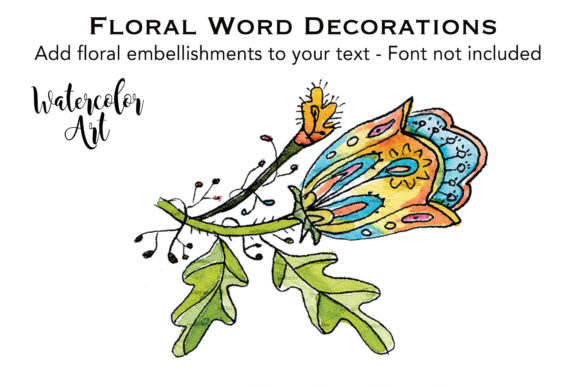
However, experience teaches us that beauty sometimes comes with technical caveats. While I love the organic nature of this clipart, you must be careful where you apply it. Watercolor styles often feature very fine, wispy lines and low-contrast areas where the paint fades into the background. If you are planning a Cricut project or a Silhouette project involving vinyl, these delicate edges can be tricky.
For instance, if you attempt to weed a complex floral arrangement from adhesive vinyl for a t-shirt design, you might find yourself losing tiny petals or struggling with "islands" of vinyl that refuse to stick. Similarly, for small sticker sizes, the intricate details might blur together when printed at a reduced scale, making the design look muddy rather than artistic. I recommend avoiding these specific files for projects requiring clean, readable shapes from a distance, such as car decals or large signage.
Practical Notes for the Serious Maker
Before you list a new item in your shop or fulfill a large customer order, there is a checklist every professional should run through. First, always test the file. Download the SVG design and open it in your cutting software to ensure the paths are closed and clean. If you are using the PNG design for sublimation, preview the transparency to make sure there are no unwanted white halos around the petals.
Color accuracy is another vital step. What looks vibrant on your calibrated monitor might print dull on your home printer or sublimation press. Always run a test print on the actual material you intend to sell—whether it's ceramic, fabric, or cardstock. Check how the design looks on both white and dark products; you may need to add a white underbase layer for dark garments.
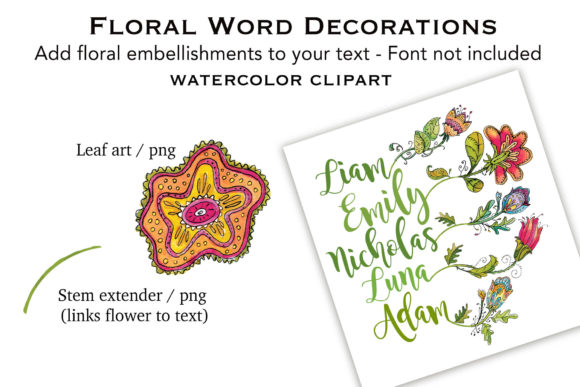
Typography pairing is also key. These florals pair exceptionally well with a flowing script font for a romantic vibe, or a clean sans serif font if you want a modern contrast. Avoid overly decorative display fonts that might compete with the detailed petals. Finally, and perhaps most importantly, confirm the commercial license. Ensure your usage aligns with the creator's terms, especially if you are selling finished physical goods at a craft fair or through a creative marketplace.
In conclusion, the Watercolor Botanical Flower collection is a valuable addition to any crafter's library. It bridges the gap between digital convenience and handmade charm. By understanding its strengths in sublimation and print, while respecting its limitations in complex vinyl cutting, you can create products that feel personal, professional, and deeply appealing to your customers.