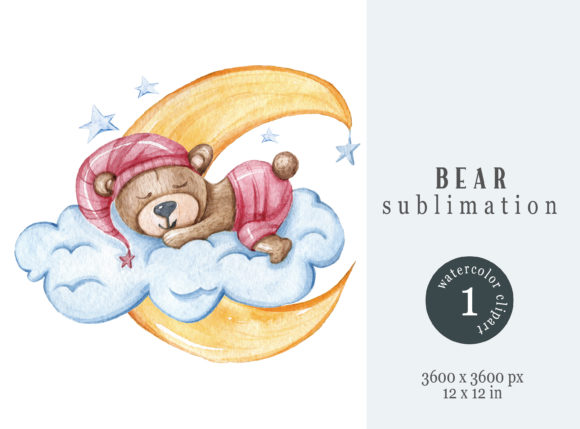
Watercolor Sleeping Bear Clipart for Illustrations
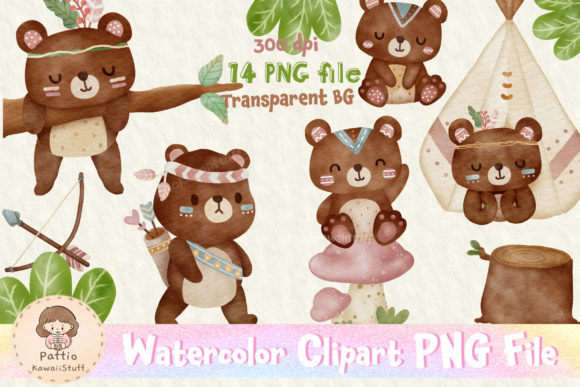
As a blog designer who has spent years curating visual assets for high-traffic editorial sites, I approach every new graphic design asset with a critical eye. It is not enough for an image to be "cute"; it must perform. When I first opened the files for the Watercolor Cute Sleeping Bear Clipart, my immediate reaction was one of relief. In a digital landscape often cluttered with harsh vectors and over-saturated stock photography, this collection offers a softness that is increasingly rare. The watercolor texture feels authentic, with natural bleeding edges and gentle color gradients that suggest a hand-painted origin rather than a sterile digital creation.
This specific asset creates an editorial mood that is undeniably lifestyle-focused and deeply comforting. It leans heavily into the "cozy" aesthetic that has become a cornerstone of modern content marketing, particularly within niches like parenting, early childhood education, mindfulness, and slow living. For publishers, the perception of quality is everything. Using Watercolor Cute Sleeping Bear Clipart signals to your reader that your brand values warmth and approachability. It lowers the barrier to entry for a new visitor, making them feel safe and welcomed before they have even read a single word of your copy.
Integrating Soft Visuals into Real Publishing Workflows
The true test of any design asset is its versatility within a real-world publishing workflow. I immediately began envisioning how these bear illustrations could transform standard blog graphics into something more engaging. For a lifestyle blogger, these images are perfect for creating Pinterest pin designs that stand out in a crowded feed. The organic shapes of the watercolor style draw the eye away from the rigid grid of social media platforms.
Beyond social media, the utility here is vast. Imagine using these bears as section dividers in a long-form article about bedtime routines or nursery organization. They serve as excellent editorial accents that break up text without demanding too much attention. For those creating digital products, this clipart is a goldmine. It is ideally suited for:
- Digital Guide Covers: Adding a friendly face to an eBook about toddler sleep training.
- Printable Design: Creating wall art or coloring sheets as lead magnets to grow an email list.
- Newsletter Headers: Softening the tone of a weekly update with a whimsical touch.
- Canva Template elements for clients who need cohesive small business branding.
The key is that the asset does not overpower the content; it supports it. In web design, whitespace is luxury, and these illustrations utilize negative space beautifully, allowing your typography to breathe.
Boosting Content Performance Through Visual Hierarchy
Why does the choice of illustration matter for metrics? Because visual hierarchy dictates how a user consumes information. A generic icon might be ignored, but a character-driven image like the sleeping bear creates an emotional anchor. When used as a website header or a hero image, it establishes a stronger first impression. Readers are more likely to trust a site that looks polished and intentional.
Consistent use of this style improves category recognition. If you run a niche site dedicated to nursery decor or children's literature, adopting this specific watercolor style across all your social media graphics and blog thumbnails builds a recognizable brand identity. Over time, your audience will associate that specific shade of soft blue or the texture of the bear's fur with your content. This consistency leads to better click-through potential because the visual becomes a promise of the experience they can expect inside the article.
Strategic Placement and Editorial Caution
While I highly recommend this asset for lifestyle and creative niches, strategic placement is crucial. These illustrations work best in hero images, article thumbnails, and downloadable resources where the emotional connection is the primary goal. They shine in editorial design contexts where the story is personal or narrative-driven.
However, there are scenarios where caution is required. If you are writing about serious financial advice, corporate law, or urgent news, the playful nature of a sleeping bear might undermine the gravity of the message. Furthermore, be mindful of low-contrast backgrounds. Watercolor often features light washes of color; if placed on a white or very light gray background without a subtle drop shadow or border, the details may get lost, especially on mobile devices. Avoid using these in busy layouts where there is already too much visual noise; the delicate lines of the watercolor need room to be appreciated.
Practical Notes for the Digital Publisher
Before integrating Watercolor Cute Sleeping Bear Clipart into your monetized projects, run through this practical checklist to ensure professional results:
- Test Across Devices: Preview the images on both desktop and mobile screens. Ensure the bear remains distinct and recognizable even when shrunk down to a small mobile thumbnail.
- Typography Pairing: Experiment with different font styles. These bears pair exceptionally well with handwritten fonts for a playful look, but also balance nicely with clean sans serif fonts for a more modern design feel. Try placing them beside serif fonts to create a classic, storybook aesthetic.
- Contrast Checks: Always check how the image looks against your specific background colors. If necessary, add a subtle outline or place the image on a colored shape to ensure readability.
- File Optimization: Review file sizes for web performance. High-resolution watercolor textures can be heavy; compress images properly using tools like TinyPNG to ensure they do not slow down your page load times, which is critical for SEO.
- Licensing Verification: Confirm commercial licensing before using these on affiliate pages or in paid content products. Ensure your commercial license covers the specific use case, such as inclusion in a digital download sold on Etsy or a course platform.
In the world of affiliate marketing and content creation, the difference between a bounce and a conversion often comes down to the feeling a user gets within the first three seconds. The Watercolor Cute Sleeping Bear Clipart offers a unique opportunity to inject personality and professionalism into your blog graphics. It is more than just a picture; it is a tool for storytelling that, when used correctly, can elevate your entire content strategy from functional to memorable.