Review: Watercolor Flower Tiny Pink Buds for Embroidery
As a designer who spends more time at the hoop than away from it, I approach every new machine embroidery design with a critical eye. It is not just about whether a file looks pretty on a screen; it is about how those digital vectors translate into thread, texture, and tangible value. Recently, I took a close look at the Watercolor Flower Tiny Pink Buds from the Illustrations category. This isn't a generic floral fill; it carries a specific mood that demands careful consideration before you commit to stitching it on a client's garment or your own boutique inventory.
The Aesthetic: Delicate Mood Meets Stitch Reality
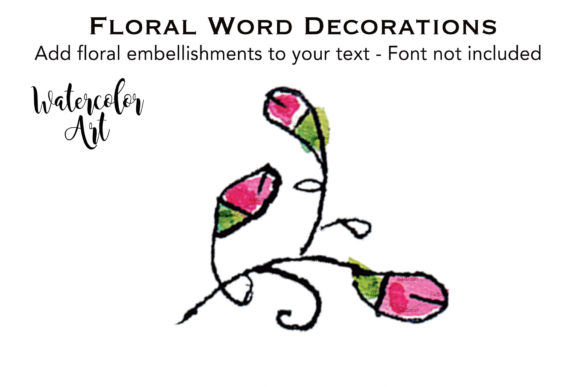
The first impression of the Watercolor Flower Tiny Pink Buds is one of softness and restraint. In an industry often dominated by bold, dense logos or heavy traditional florals, this design offers a breath of fresh air. The layout suggests a hand-painted origin, likely relying on a mix of running stitch for outlines and subtle fill stitch work to mimic the bleed of watercolor pigments. For a designer, this visual personality immediately signals where the design belongs: it is not for a rugged workwear patch or a high-contrast sports jersey. Instead, it screams "boutique," "nursery," and "personalized gift."
The tiny nature of the buds means the stitch density must be managed carefully. If the digitizer has done their job well, the transitions between the pink hues should be smooth without creating a stiff, cardboard-like feel on the fabric. My initial assessment is that this design thrives on negative space. It does not need to be large to make an impact; in fact, scaling it down might enhance its delicate charm, provided the machine can handle the fine details without bird-nesting.
Real-World Application: The Boutique Tote Scenario
To truly evaluate this embroidery project, I imagined a specific real-life scenario: preparing a custom order for a local farmer's market vendor who sells organic skincare. She needed branding for her canvas tote bag design series. The Watercolor Flower Tiny Pink Buds felt like an instant match. Here, the design acts not just as decoration, but as a brand identifier that suggests gentleness and natural ingredients.
When visualizing this on a natural cotton tote, the pink tones would pop beautifully against the beige background. However, this is where practical judgment kicks in. Canvas has a distinct fabric texture. If the stitch count is too low, the weave of the canvas might show through the petals, ruining the watercolor illusion. Conversely, if the density is too high, the tote handle attachment points could become bulky. For this specific application, I would recommend using a medium-weight cutaway stabilizer to ensure the stitches sit flat and the design retains its shape after repeated use.
Beyond totes, this design is a strong contender for sweatshirt embroidery. Imagine a heather grey crewneck with these tiny buds placed subtly over the left heart area. It transforms a basic garment into a piece of custom apparel that feels curated rather than mass-produced. For Etsy sellers and small shop product creators, this versatility is gold. It allows you to offer a cohesive look across different items—aprons, pillow covers, and even baby embroidery projects—without the design feeling repetitive or out of place.
Technical Considerations and Fabric Challenges
While the aesthetic is promising, the Watercolor Flower Tiny Pink Buds requires respect regarding fabric choice. This is not a design you can blindly throw onto any material. Stretchy fabrics, such as thin jersey knits or performance wear, pose a significant risk. The fine details of the tiny buds could distort easily if the fabric shifts during stitching or washing. If you must use it on stretchy material, investing in a high-quality sticky stabilizer and potentially a topper is non-negotiable.
Dark fabrics present another challenge. Since the design relies on light pink tones, stitching directly onto black or navy blue will result in lost detail unless the file includes an underlay or backing layer. Always check the thread colors included in the embroidery file. You may need to manually adjust the color sequence to include a white underbase if your software allows, or choose a lighter garment to preserve the watercolor effect. Similarly, curved surfaces like caps require caution. The small scale of the buds might get lost on the front panel of a structured cap, or worse, the needle could deflect off the seam if placed too close to the edge.
For items that require frequent washing, like kitchen towels or holiday embroidery gifts, durability is key. Inspect the satin columns and fill areas closely. Are the tie-offs secure? Is there enough coverage to prevent the fabric from fraying through the stitches over time? A beautiful design that falls apart after three washes damages your reputation as a maker. Always test the finished product on scrap fabric of the same weight and type before cutting into your final material.
Enhancing Value and Brand Consistency
From a business perspective, the right design elevates the perceived value of your handmade product. The Watercolor Flower Tiny Pink Buds offers a level of sophistication that generic clip-art styles lack. When a customer sees this level of detail, they associate it with quality and care. This builds customer trust and encourages repeat business. For creative entrepreneurs selling digital embroidery file assets, offering a design that works well for both personal and commercial embroidery projects expands your market reach.
Visual appeal is only half the battle; clarity is the other. In a printable mockup or an online listing, this design photographs well because of its organic shapes. It avoids the harsh, blocky look of low-resolution fills. However, remember that screens lie. What looks crisp on a retina display might look muddy in thread if the hoop size is too small for the detail level. Always compare light and dark fabric backgrounds in your previews to ensure the design holds its integrity.
Final Designer Notes and Best Practices
Before you load this design into your machine, take a moment to run through a quick checklist. First, verify the licensing terms. Just because a design is beautiful doesn't mean it is free for craft business use. Confirm whether you can sell the stitched items or if the license is for personal use only. Second, stitch a test sample. Check the tension balance; watercolor effects often rely on slight variations in thread tension to look authentic, but too much looseness leads to loops.
- Test on scraps: Never skip this step, especially with textured fabrics like towels or denim.
- Check contrast: Ensure the pink threads stand out against your chosen fabric color.
- Review density: Look for areas that might be too dense, causing puckering.
- Inspect details: Zoom in on the tiny buds to ensure the smallest stitches are viable for your machine's needle size.
- Stabilizer selection: Match the stabilizer to the fabric weight, not just the design.
The Watercolor Flower Tiny Pink Buds is a testament to how modern digitizing can capture artistic styles like watercolor painting within the constraints of thread. It is a versatile asset for anyone looking to add a touch of elegance to their embroidered patch collections, apparel lines, or home decor items. With the right preparation and a keen eye for detail, this design can become a staple in your portfolio, helping you create products that resonate with buyers looking for something unique and heartfelt.