Review: Watercolor Succulent Clipart for Embroidery
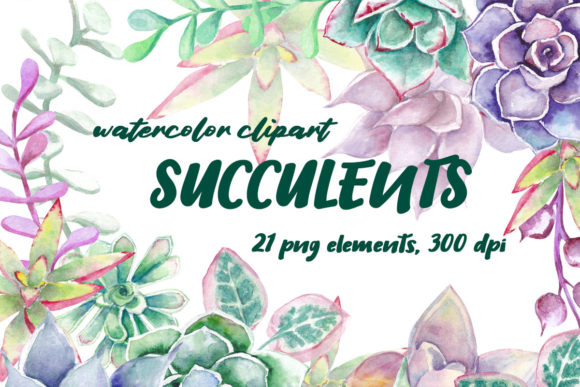
When I first pulled up the Watercolor Succulent Clipart on my screen, my immediate reaction wasn't just about the aesthetic; it was about translation. As an experienced designer, I know that what looks beautiful as a flat Illustrations file doesn't always survive the journey to the needle and thread. This specific design carries a soft, organic mood that is currently trending in boutique home decor and custom apparel. The visual personality is gentle and botanical, avoiding the harsh, rigid lines often found in older digitized files. However, before I commit this to a client's project or list it as a finished product in my shop, I need to evaluate how these watercolor gradients and soft edges will perform as a actual machine embroidery design.
The Real-World Test: A Custom Tote Bag Scenario
To give this review practical weight, let's imagine a real-life scenario. A local café owner wants a run of twenty canvas tote bags for a spring market launch. They want something that feels handmade but polished. The Watercolor Succulent Clipart seems like the perfect candidate. The theme fits the "green living" vibe of the shop, and the layout is compact enough for a standard pocket placement.
In this context, the design's success hinges on how well the digital file mimics the fluidity of paint without becoming a muddy mess of thread. If the stitch density is too high, the succulent leaves will look stiff and plastic-like, losing that watercolor charm. If it's too low, the canvas texture will show through, ruining the color blending. For a project like this, the design needs to strike a balance where the fill stitch creates smooth coverage while the satin stitch borders define the leaf shapes clearly. When I visualize the finished product, I can see customers reacting positively to the softness of the motif against the rugged texture of the canvas, provided the execution is clean.
Versatility Across Products and Markets
Beyond tote bags, this type of embroidery file has immense potential across various categories. For custom apparel, such as a oversized sweatshirt or a fitted tee, the organic shape of the succulent works well on the chest or sleeve. It feels less corporate and more personal, which is exactly what modern consumers want. For baby embroidery projects, like a onesie or a nursery blanket, the gentle colors are ideal. There are no aggressive lines or scary themes here; it's purely soothing.
I also see strong potential for embroidered patch creation. If you digitize this with a merrowed edge or a tight satin border, it could become a best-selling item for an Etsy seller looking to expand their design assets. Furthermore, for those creating printable mockup files to sell alongside physical goods, the high-quality source art of the Watercolor Succulent Clipart provides excellent raw material for digital previews. Whether you are making holiday embroidery gifts or stocking a small shop product line, the versatility of this botanical theme allows it to fit into spring collections, wedding favors, and even teacher appreciation gifts.
Technical Considerations and Fabric Challenges
However, we must be realistic about where this design might struggle. Watercolor effects rely on subtle color shifts, which can be tricky to replicate with thread. On dark fabric, the lighter greens and blues in the succulent might lose their vibrancy unless the underlay is perfect. You may need to adjust the thread colors slightly to ensure contrast, perhaps opting for a slightly brighter palette than the original digital file suggests.
Texture is another factor. On highly textured fabrics like thick towels or waffle weave, fine details can get lost. The Watercolor Succulent Clipart likely contains small, intricate corners where leaves overlap. If the hoop size is too small, these details might become crowded, leading to thread breaks or bird nests. Similarly, when working on stretchy fabrics like jersey knits for t-shirts, the stability of the design is crucial. Without the right stabilizer, the soft edges of the succulent could pucker, distorting the watercolor illusion into a jagged mess.
Curved surfaces, such as caps, present another hurdle. The center of a cap is a small, rounded target. While the design is likely compact, you must verify that the element distribution works on a curved plane. A design that looks flat and balanced on a table might twist awkwardly on a hat front. Always test on a scrap piece of the actual garment material before stitching the final run.
Impact on Brand Value and Customer Perception
Using a high-quality design like this directly affects your brand consistency and customer trust. In the world of commercial embroidery, clients judge your professionalism by the clarity of your stitches. A muddy, poorly executed succulent tells a customer you don't pay attention to detail. Conversely, a crisp, well-blended botanical design elevates the perceived value of the handmade product. It signals that you understand current design trends and have the technical skill to execute them.
For personalized gift businesses, the emotional connection is key. A succulent often symbolizes growth and endurance. When a customer receives a pillow cover or apron with this design, they aren't just seeing thread; they are seeing a thoughtful aesthetic choice. This enhances buyer engagement and encourages repeat business. If you are an Etsy seller, listing items featuring this design with clear, close-up photos of the stitch quality can significantly boost conversion rates.
Final Designer Notes and Best Practices
Before you dive into production with the Watercolor Succulent Clipart, here are my practical recommendations. First, always test the design on scrap fabric that matches your final project's weight and weave. Check the stitch density by feeling the back of the sample; it shouldn't feel like a solid block of cardboard. Review the color transitions closely—do they blend smoothly, or are there harsh lines where one color stops and another starts?
It is also wise to view your test stitch-out in black and white or take a photo of it in grayscale. This helps you see the value contrast without being distracted by the pretty colors. Ensure you are using the correct stabilizer for your fabric type; cut-away is usually safer for stretchy garments, while tear-away works for stable wovens. Finally, and most importantly, confirm the licensing terms. Since this originates as clipart, ensure you have the rights to use it for commercial embroidery projects or if it is restricted to personal use only. Do not assume the license covers resale of digital files or unlimited physical goods without checking.
In conclusion, the Watercolor Succulent Clipart offers a fresh, modern look that fits perfectly into today's market for botanical and nature-inspired goods. With careful attention to fabric choice, stabilization, and thread selection, it can transform simple items into cherished keepsakes. It is a strong contender for any designer's library, provided it is treated with the technical respect it requires to shine as a stitched masterpiece.