Wreath Watercolor Illustration PNG: A Designer's Stitch Review
As someone who spends more time staring at stitch simulations than I do at actual television, I approach every new machine embroidery design with a healthy dose of skepticism. We have all been there: you download a beautiful graphic, load it into your software, and realize too late that the details are too fine for satin stitch or the density is going to turn your soft cotton into a cardboard coaster. That is why I took a close look at the Wreath Watercolor Illustration PNG before committing it to any client work. This isn't just a quick glance at a preview image; this is a breakdown of how this specific asset holds up when translated from a digital screen to a tangible, threaded reality.
First Impressions: Mood and Visual Personality
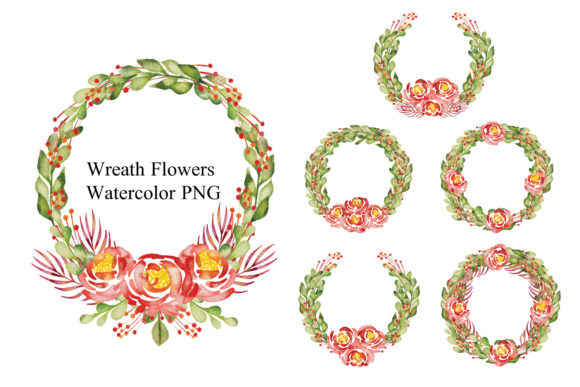
The moment I opened the file, the first thing that struck me was the organic flow. Unlike rigid, geometric wreaths that often feel stiff when digitized, this watercolor-style illustration carries a loose, artistic energy. The shapes suggest soft petals and wandering vines rather than perfect circles. For an embroidery project, this is a double-edged sword. On one hand, it offers a modern, boutique aesthetic that is incredibly popular right now. On the other, "watercolor" effects in embroidery require careful handling of stitch density and direction to avoid looking muddy.
The layout feels balanced but asymmetrical, which gives it a handmade charm. It doesn't scream "mass-produced," which is exactly what we want for high-end custom apparel or personalized gifts. The visual personality leans towards elegance and warmth, making it a natural fit for nursery decor, wedding linens, or spring-themed tote bags. However, before you start stitching, you need to understand that a PNG is a raster image. To use this as a true embroidery file, it must be digitized properly. If you are buying this as a finished digitized design, check the stitch types. If you are using the PNG to create your own digitization, pay attention to the color gradients.
Real-World Application: The Tote Bag Test Case
To truly evaluate the Wreath Watercolor Illustration PNG, I mentally ran through a recent request I had for a set of custom market totes. The client wanted something that felt earthy but refined. This design immediately came to mind. Imagine this wreath stitched onto a natural canvas tote bag design. The open spaces in the watercolor style would allow the texture of the canvas to peek through, preventing the embroidery from becoming too heavy.
In this scenario, the wreath acts as a frame for a monogram or a small business logo placed in the center. For an Etsy seller or small shop owner, this versatility is gold. You aren't just selling a wreath; you are selling a customizable framework. Whether it is for a bridal party gift, a teacher appreciation present, or a seasonal holiday item, the design adapts well. I can also see this working beautifully on a linen tea towel or a structured apron where the drape of the fabric complements the fluid lines of the illustration.
However, if you are planning to use this on a stretchy knit, like a sweatshirt embroidery project or a baby onesie, caution is required. Watercolor styles often rely on subtle shading. If the fabric stretches too much during wear or washing, those delicate transitions between thread colors could distort. For baby embroidery, I would recommend simplifying the inner details or using a softer fill stitch to ensure the finished product remains gentle against sensitive skin.
Navigating Technical Challenges and Fabric Choices
Let's talk about the tricky parts. The beauty of a watercolor illustration lies in its blending, but in embroidery, blending is achieved through layering threads. This increases the stitch density. If you attempt to stitch this on a thin fabric like silk or a lightweight rayon without proper support, you will encounter puckering. My advice? Always test on scrap fabric first. Use a cut-away stabilizer for garments that will be washed frequently, rather than a tear-away, to maintain the integrity of the design over time.
Another consideration is the hoop size. While this design looks stunning large, shrinking it down for a pocket on a cap or a small patch might lose the nuance of the watercolor effect. Tiny details that look crisp on your monitor can turn into a tangled mess of thread on a 2-inch hoop. If you are working on curved surfaces like hats, ensure the digitization accounts for the push and pull of the fabric. Dense areas in the wreath's foliage could cause the cap to warp if not compensated for in the stitching sequence.
Color contrast is also vital. This design likely relies on soft pastels or muted tones. On a dark garment, these colors might vanish unless you use a high-quality underlay or opt for brighter thread colors that deviate slightly from the original PNG to ensure visibility. Never assume the screen colors will match the thread chart perfectly; always compare light and dark fabric backgrounds before finalizing your product line.
Commercial Value and Brand Consistency
For creative entrepreneurs and craft business owners, the perceived value of a handmade product often hinges on the clarity and professionalism of the decoration. A blurry or poorly stitched wreath looks amateurish. However, when executed correctly, the Wreath Watercolor Illustration PNG elevates the perceived value of the item. It signals to the customer that thought and artistry went into the creation.
This design asset works exceptionally well for brand consistency. If you run a boutique specializing in bohemian or rustic goods, this motif can become a signature element across your small shop product range—from pillow covers to branded patches. It creates a cohesive look that buyers recognize. Furthermore, for those selling digital products, this PNG serves as an excellent base for creating printable mockups. You can showcase how the design would look on various items before ever threading a needle, helping customers visualize the finished product.
Final Verdict and Designer Notes
Ultimately, the Wreath Watercolor Illustration PNG is a strong contender for anyone looking to add a touch of artistic flair to their embroidery repertoire. It bridges the gap between traditional floral motifs and modern illustrative trends. But remember, a PNG is just the starting point. Whether you are digitizing it yourself or purchasing a converted digital embroidery file, verify the technical specs.
- Check the License: Before selling finished items or digital derivatives, confirm the licensing terms. Some illustrations are for personal use only, while others allow commercial commercial embroidery projects.
- Test Stitch Density: Run a test stitch-out to see if the density is too high for your chosen fabric. Adjust pull compensation if necessary.
- Inspect Small Details: Zoom in on the digitized version. Are the tiny leaves defined, or will they merge into a blob?
- Thread Selection: Don't be afraid to swap thread colors to suit your specific brand palette or fabric choice.
- Stabilizer Matters: Match your stabilizer to the fabric weight. A heavy wreath needs strong support.
In the world of custom apparel and home decor, details matter. This design has the potential to be a bestseller in your shop or a cherished heirloom in a client's home, provided it is treated with the technical respect it deserves. Take the time to plan your stitch path, choose your materials wisely, and let the organic beauty of the wreath shine through the thread.